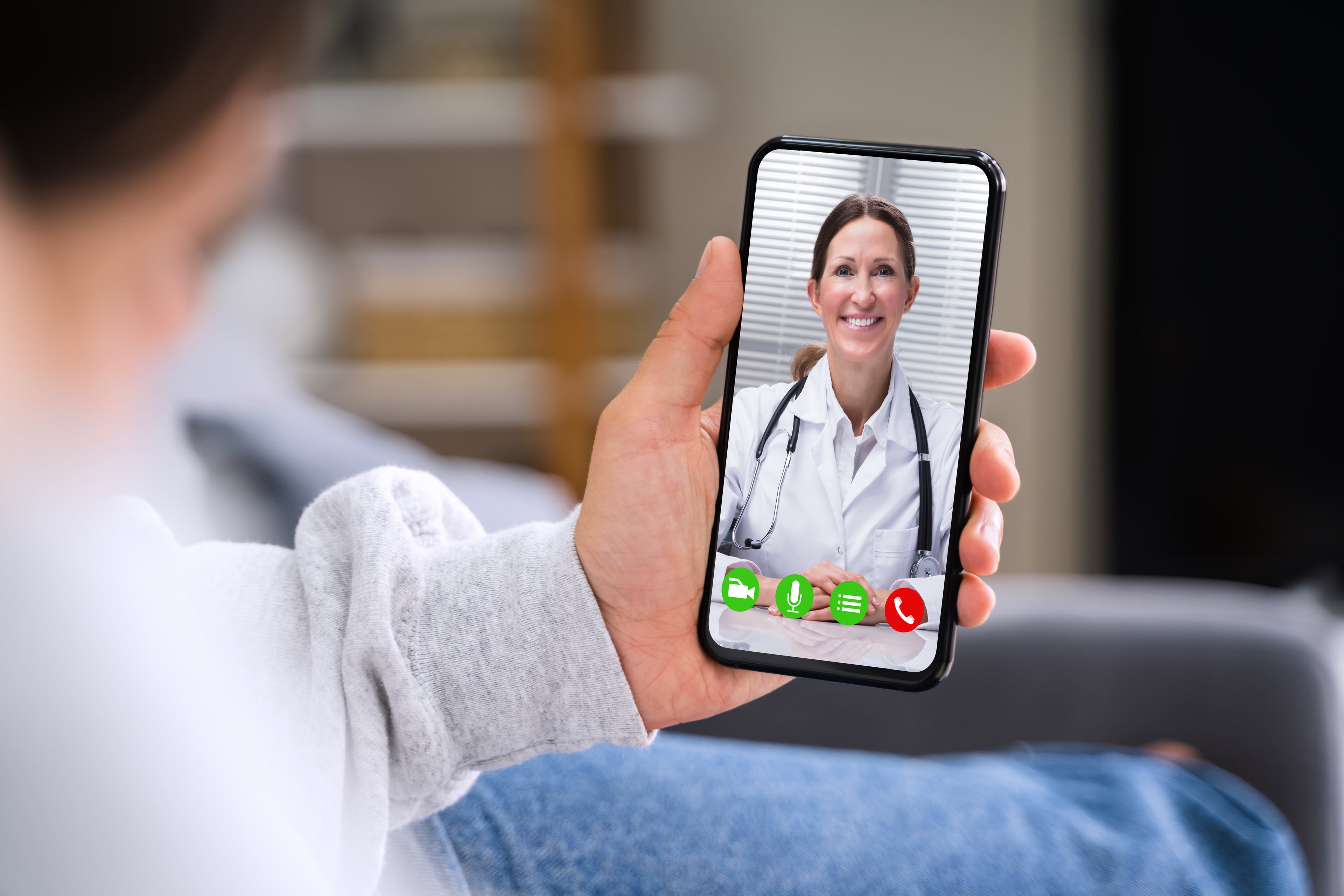
Almost one in two people in Austria has difficulty dealing with health information and health services. This is shown by the Austrian Health Report 2024.¹ If you sometimes feel overwhelmed when it comes to your health, you are in good company. This feeling has nothing to do with a lack of discipline. We explain how a few first steps can create order and make everyday life a little easier.
What does being overwhelmed by health information mean?
It describes the feeling that too much is coming at you at once: medical reports, lab values, medication plans, articles, social media tips, recommendations from friends. With the term “infodemic”, the World Health Organization (WHO) describes a related phenomenon: too much information, including false and misleading information, which causes confusion and weakens trust.² The WHO applies the term to health crises, but the core idea carries over to everyday life: more information does not automatically mean more orientation.
One point matters to us here. Feeling overwhelmed does not happen because you are doing something wrong. Health information is complex, it comes from many directions, and it often reaches you exactly when you are already worried.
How widespread is the problem?
The Health Report 2024 gives two figures that belong together. The share of people with sufficient to excellent health literacy has risen from 48 to 53 percent since 2011.¹ That is a good development. At the same time, almost one in two people still struggles with health information, and dealing with digital information and finding your way around the health system are particularly challenging.¹
Health literacy means being able to find, understand, assess and apply health information. It is not a character trait but a skill that depends on conditions: on time, energy and how well information is presented.
Stress also shows how quickly everyday life reaches its limits: in the Mavie Stress Study 2026, 67 percent of respondents in Austria say they are (very) often stressed.³ If you are already at your limit, you have little capacity left to sort through medical reports on the side.
Where feeling overwhelmed comes from in everyday life
Many people know these three situations:
The appointment is booked, the documents are missing. The latest lab report is somewhere between emails, a pile of paper and phone photos. At the appointment you wonder whether you have brought the most important things.
Several doctors, several versions. Each practice holds one part of your story. You are the only person in whose hands everything should come together.
More information, but not in one place. Even good digital services can add to the feeling if important things remain spread across several places.
Why order brings relief
Decisions and information cost mental energy. We described this in our article on decision fatigue: the more small things you have to keep in mind at once, the less energy is left for what matters. It is no different with health documents. Searching each time for where something is stored is a small decision and a small burden.
Research on digital health records supports the basic idea that organised access to your own data can help. A systematic review in the Journal of Medical Internet Research analysed 81 studies with around 1.6 million participants, mostly adults with chronic conditions. Benefits were most often seen in knowledge about the condition, patient engagement, adherence to treatment and self-management. No negative effects were observed.⁵ The authors do stress, however, that only 16 of the 81 studies were rated as high quality and that more good studies are needed.⁵
Your health record in the myMavie portal
This is exactly where the new feature in the myMavie portal comes in. You can upload, organise and manage your health documents and have them compactly in one place when you need them. It does not replace medical documentation or ELGA. It is your personal overview, which you design yourself.
This is what it can look like in everyday life:
Collect once. Upload medical reports, doctor's letters, vaccination records or prescriptions as soon as they reach you.
Organise sensibly. Sort by whatever is logical for you, for example by specialty, year or occasion.
Find it at the moment of decision. Before a doctor's appointment, for a second opinion or when family members have questions, you no longer have to search.
There is no expectation that you now have to organise everything perfectly. It is about less friction. When your documents are in one place, more attention is left for the conversation with your doctor and for the question of what you actually want to know.
Small habits against information overload
Regardless of the tool, a few simple rules help:
One place instead of many. Decide where your health documents are kept, and stick to it.
File them as soon as they arrive. Two minutes after the appointment save search time later.
Write down questions before the appointment. That way the focus is not on the amount of information but on your concern.
Ask if you are unsure. If a medical report is unclear, a conversation with the treating doctor is the right way, not the search engine.
Conclusion
Being overwhelmed by health information is widespread and has good reasons: the volume is growing, the sources are scattered, and everyday life leaves little room. You don't have to solve this with more discipline. A fixed place for your documents already takes the pressure off. In the myMavie portal you can now upload, organise and manage your health documents.